A timeline of St Osyth Priory
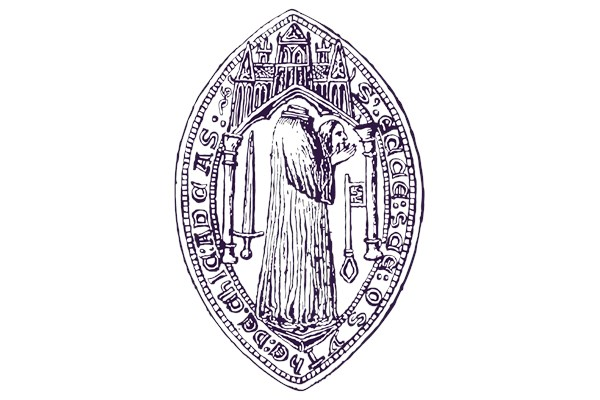
St Osyth Abbey (originally and still commonly known as St Osyth Priory) was a house of Augustine Canons Regular in the parish of St Osyth (then named Chich) in Essex, England in use from the 12th to 16th centuries.
Early Viking Raids & Anglo Saxons
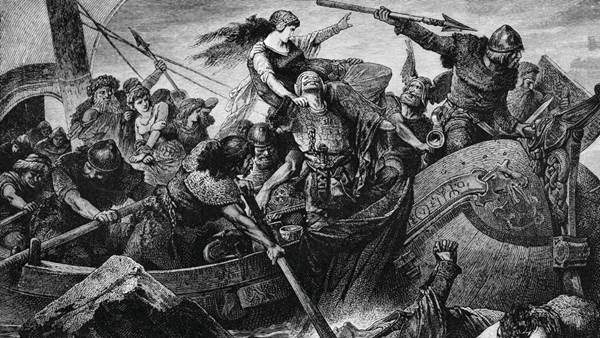
Legend tells of Osyth, a young girl who escaped an unwanted marriage to the King of Essex to become Abbess of a small nunnery situated within the present St Osyth Priory Park. When early Viking raiders landed in Essex they found the nunnery and confronted Osyth, demanding that she must worship their pagan gods. When Osyth steadfastly refused her head was severed from her body. Legend has it that a spring bubbled up from that spot and that Osyth then carried her head to the door of the nunnery to say goodbye to her sisters. This moment of high drama and confrontation is the focus of our Vikings v. Anglo Saxons programme.
Norman Priory
470 years later, Saint Osyth was adopted as patron saint of a Priory constructed in Chiche (later St Osyth) by the Bishop of London. Her story was so compelling that the canons found they profited from the many pilgrims and benefactors who donated generously with the hope they would earn spiritual redemption and salvation. Osyth’s renown was significant and while we cannot be certain of the scope of her influence, archaeological evidence from Lindisfarne Priory in the North East shows that her name and miracles were known throughout England during the Anglo Saxon period
Medieval Canons
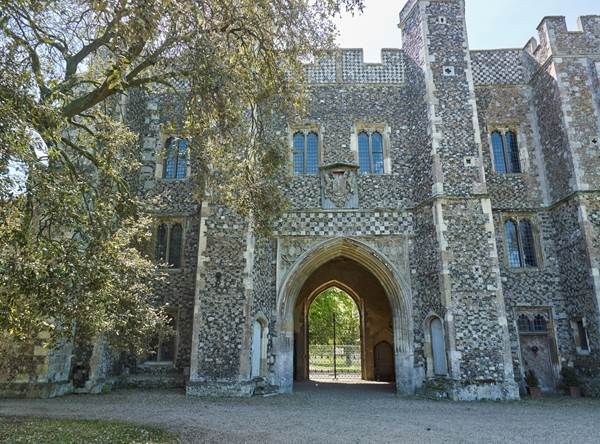
St Osyth Priory was founded around 1120 and was a home for Augustinian Canons for 419 years. The status of the Priory was soon raised to Abbey and it became one of the great Augustinian Abbeys until it was dissolved in 1539. At the height of its power it was the third wealthiest moastic centre in England and boasted one of the finest monastic gatehouses in Europe.
St Osyth Abbey provided important social functions for the local population. Alms were handed out to the poor, medical care was given to the sick, education was provided and accommodation was available for the traveller. It is this aspect of the Priory which inspires our Medieval Medicine education programme.
Tudor Turmoil
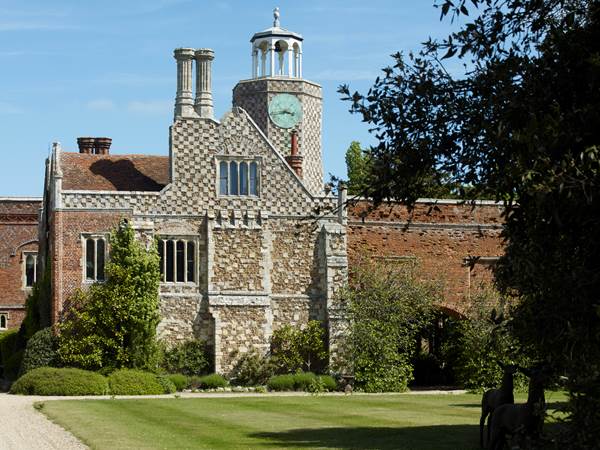
The dissolution of the monasteries was ordered by King Henry VIII in 1536 and was the single largest transfer of wealth in English history since the Norman Conquest in 1066. During this period the Priory’s elaborate and ornate medieval Abbot’s lodging and gatehouse should have been torn down by the King’s men along with hundreds of other monastic buildings around England. Instead the Priory found itself at the centre of a feud between competing court favourites, Sir Thomas Cromwell and Sir Thomas Audley who both wanted the valuable estate. Cromwell won out but the Priory was only in his possession for exactly one year before he fell from favour and was sentenced to death by the King.
Further turmoil ensued with the Estate eventually being passed to the Darcy family who set about converting the monastic centre into a country seat, beginning with the splendid Darcy House. The Priory’s role in these important national events is explored further in our Tudors: Wealth, Greed, Scandal And Power programme.
English Civil War
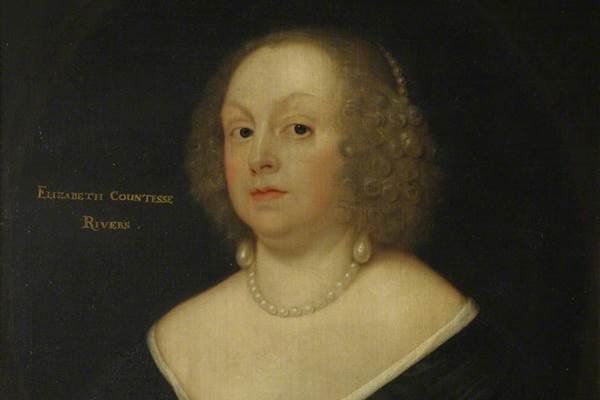
When the Civil War broke out the owner of St Osyth Priory was Elizabeth Viscountess Savage and Countess Rivers. The Countess was very close to the Royal Family and had served as Lady of the Bedchamber to Queen Henrietta Maria, wife of King Charles 1st. So her royalist credentials and catholic sympathies were clear for all to see.
As a result she had to flee for her life in the face of an angry mob of parliamentarians who ransacked and burned her home, leaving it in disrepair for decades to follow. Her life story is one of many inspiring female figures we examine during our International Women’s Day programme.
Rivers and Rochfords
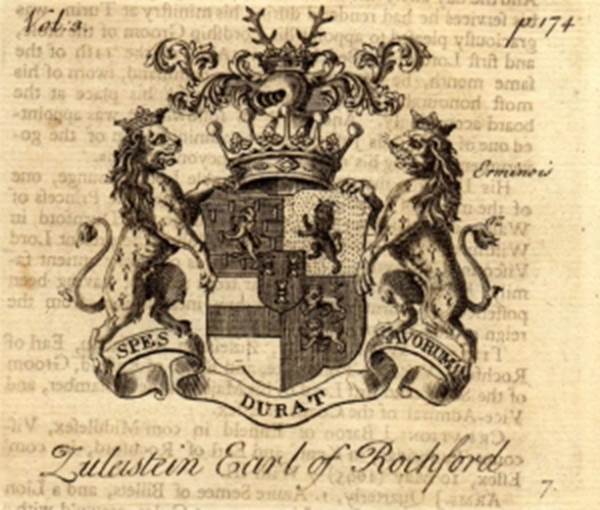
Now established as a grand country house, the Priory buildings were extended by the first Lord Darcy and included the addition of the Darcy Tower. The third Lord Darcy was made Earl Rivers in 1626 and the Priory was to remain in the family until 1712.
The Priory then passed to Frederic Nassau, the 3rd Earl of Rochford. Frederick also expanded the house by adding westward from the medieval Bishops Lodging to create a series of rooms for entertaining. Frederick also adding a sweeping carriage circle in front of the house. His successors remodelled and landscaped the grounds and created a ha-ha between the parkland and gardens.
Despite the remodelling of the estate, the Priory fell into disrepair and, after the death of William Frederick Nassau in 1857, two thirds of the Rochford Wing was demolished.
Victorian Splendour
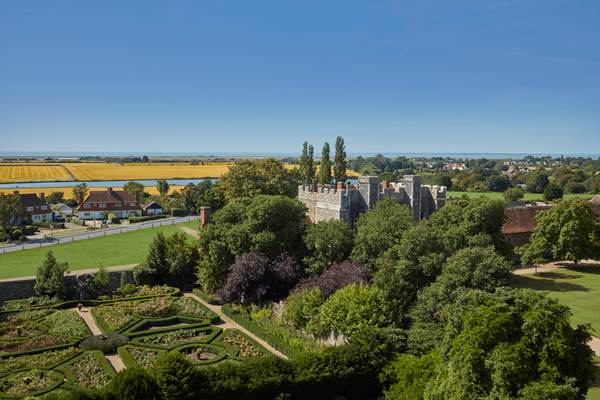
Salvation for St Osyth Priory came in the form of a Victoria grain merchant, Sir John Johnson who bought the Priory at auction in 1863. He spent considerable funds restoring and improving the Priory, including, the conversion of a medieval passageway into a chapel. He also extended the Bishops Lodging in Tudor style brick to match the existing front, but fitted out the inside in exceptionally fine Gothic Revival style.
Highs and Lows
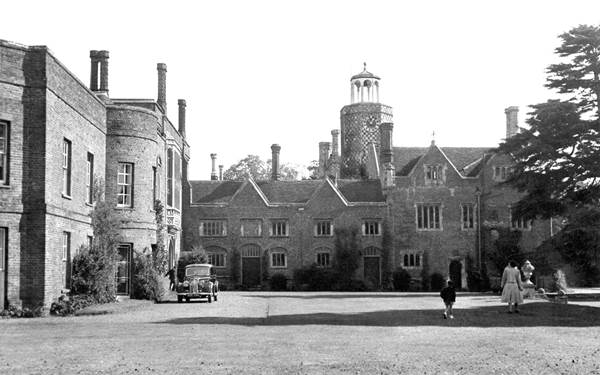
MP and writer Somerset Struben de Chair purchased the Estate in 1954. During his time the Estate enjoyed mixed fortunes. Highs included the memorable moment treasures from the Wentworth Woodhouse art collection, owned by his fourth wife Lady Juliet Wentworth-Fitzwilliam, were put on display at the Priory drawing 20,000 visitors. Sadly, however, the sale of mineral rights on the Estate resulted in large areas of gravel extraction damage within the historic parkland. Restoration of the Priory’s historic buildings was allowed to lapse during this time.
A New Chapter
In 1999 the Sargeant family bought St Osyth Priory Estate. A charitable organisation, St Osyth Priory and Parish Trust, was founded in 2016 with the mission of helping to restore key buildings within the Estate and to open it up to the public once more. Privately, the Sargeant family have begun restoration projects on the Darcy House and the Medieval gatehouse and have undertaken an extensive project to rewild sections of the Estate damaged by gravel extraction. The restoration of habitat areas on the Estate and the positive environmental impact of this policy has inspired our Biodversity Day education programme.