Restoration Projects
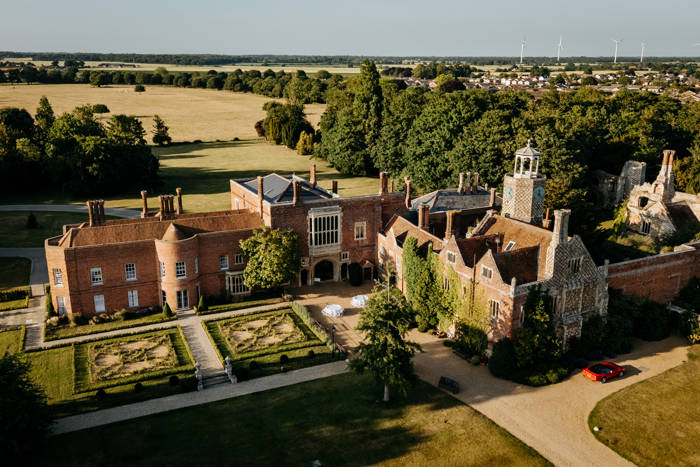
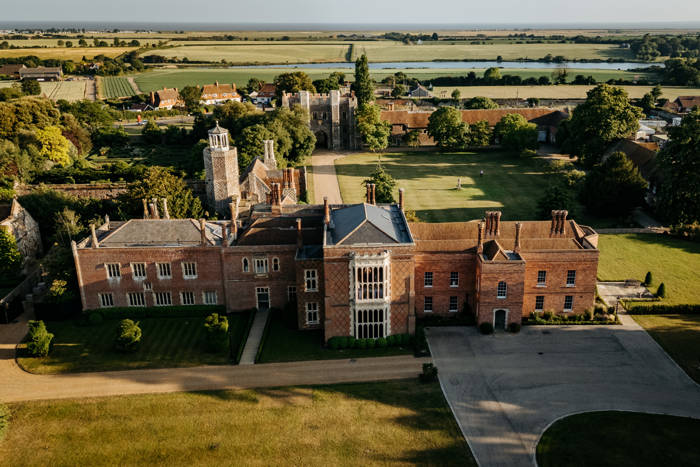
St Osyth Priory & Parish Trust are always working to help with the restoration of the priory, maintaining this treasure for future generations and preserving the priory's rich history.

Past Preserved: A National Lottery Heritage Fund project
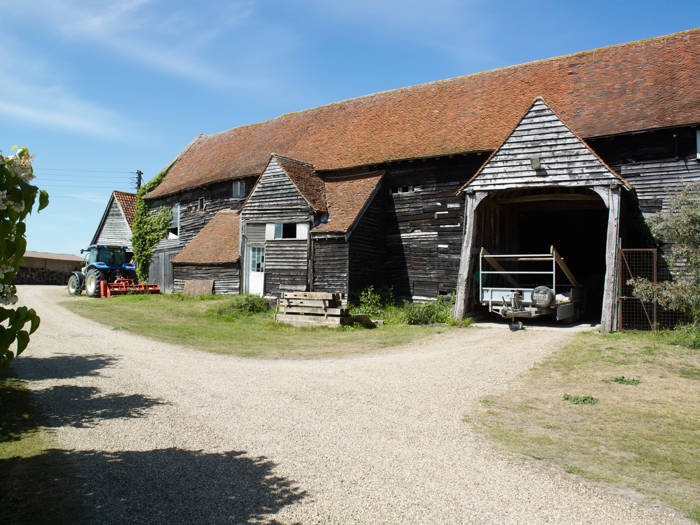
The St. Osyth Priory & Parish Trust has secured initial support from The National Lottery Heritage Fund for Past Preserved — a major restoration and development project focused on the historic Tithe Barn and Old Dairy. This initiative aims to conserve key heritage assets while creating new community and commercial opportunities for the estate.
Funding and Project Scope
The Trust has received £618,158 in development funding to progress plans for a full grant application of £3,740,477, enabling restoration work to begin in 2026.
These works form part of a wider programme to revitalise St Osyth Priory’s heritage buildings, which are listed and currently on Historic England’s At Risk Register.
Significance of the Tithe Barn and Old Dairy
The project focuses on preserving and sympathetically converting:
The Tithe Barn (Grade II*)
Listed for:
-
Architectural interest: exceptional intact timber construction and rare combination of stone and timber.
-
Historic interest: a key structure from the post-Reformation remodelling by the first Lord Darcy.
-
Group value: part of a significant collection of designated buildings and the registered Park and Garden.
The Old Dairy (Grade II)
A structurally important agricultural building contributing to the Priory’s historic character.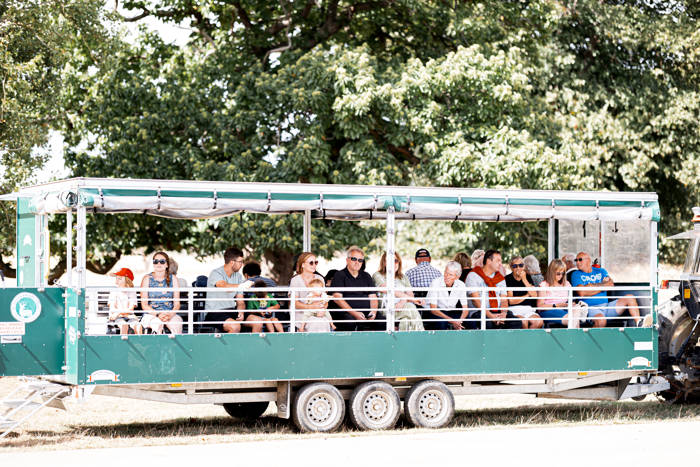
Community & Educational Vision
Community engagement is central to the project. The Trust aims to:
-
Deliver workshops, skills programmes, and educational activities for adults and children.
-
Promote traditional building techniques, conservation skills, environmental learning, and local history.
-
Develop creative activities inspired by the Priory’s heritage and natural setting.
-
Work with partners, including St Osyth Museum, to co-deliver events and outreach.
-
Create volunteering, apprenticeship, and work experience opportunities linked to heritage and hospitality.
-
Support wellbeing by providing social spaces, reducing isolation, and reconnecting local communities with their heritage.
This community-led approach will help provide long-term social value for the Tendring area, one of the most economically and socially deprived areas in the country.
Historical Background
St Osyth has over 1,000 years of recorded history, with origins as a settlement called Chicc. The Priory itself was founded shortly after 1120 by Richard de Belmeis, Bishop of London, and evolved extensively through the medieval and post-Reformation periods.
Key historical highlights include:
- Early monastic buildings from the 12th to 13th centuries.
-
Major 16th century remodelling by the first Lord Darcy.
-
Civil War damage and subsequent periods of neglect.
-
Restoration and redevelopment in the 18th and 19th centuries by the Nassau family and later owners.
-
20th century changes, including its use as a convalescent home (1948–1980).
Today, surviving structures range from medieval vaults to 19th century restoration work, representing centuries of architectural development and adaptation.
Economic & Strategic Impact
The redevelopment will:
-
Generate sustainable income through venue hire and public events.
-
Stimulate local economic growth by creating employment pathways.
-
Strengthen tourism and cultural activity across Jaywick, Clacton and the wider Tendring district.
-
Help ensure longterm conservation of the Priory’s other heritage assets.
The project is expected to be fully completed by 2029, with the aim of creating a financially resilient model that protects the Priory for future generations.